

DANDELION GUIDE: PLANNING AND SUPPORT
Preparing for a Loved One’s Death
Here we go, talking about the hard stuff.
Preparing for a loved one’s passing—whether expected or not—is difficult, but planning ahead can help reduce stress and ensure their wishes are honored. Getting comfortable in discomfort can provide peace of mind. Dandelion has dedicated checklists for every category below, but if that feels overwhelming, just work off of this simpler list.
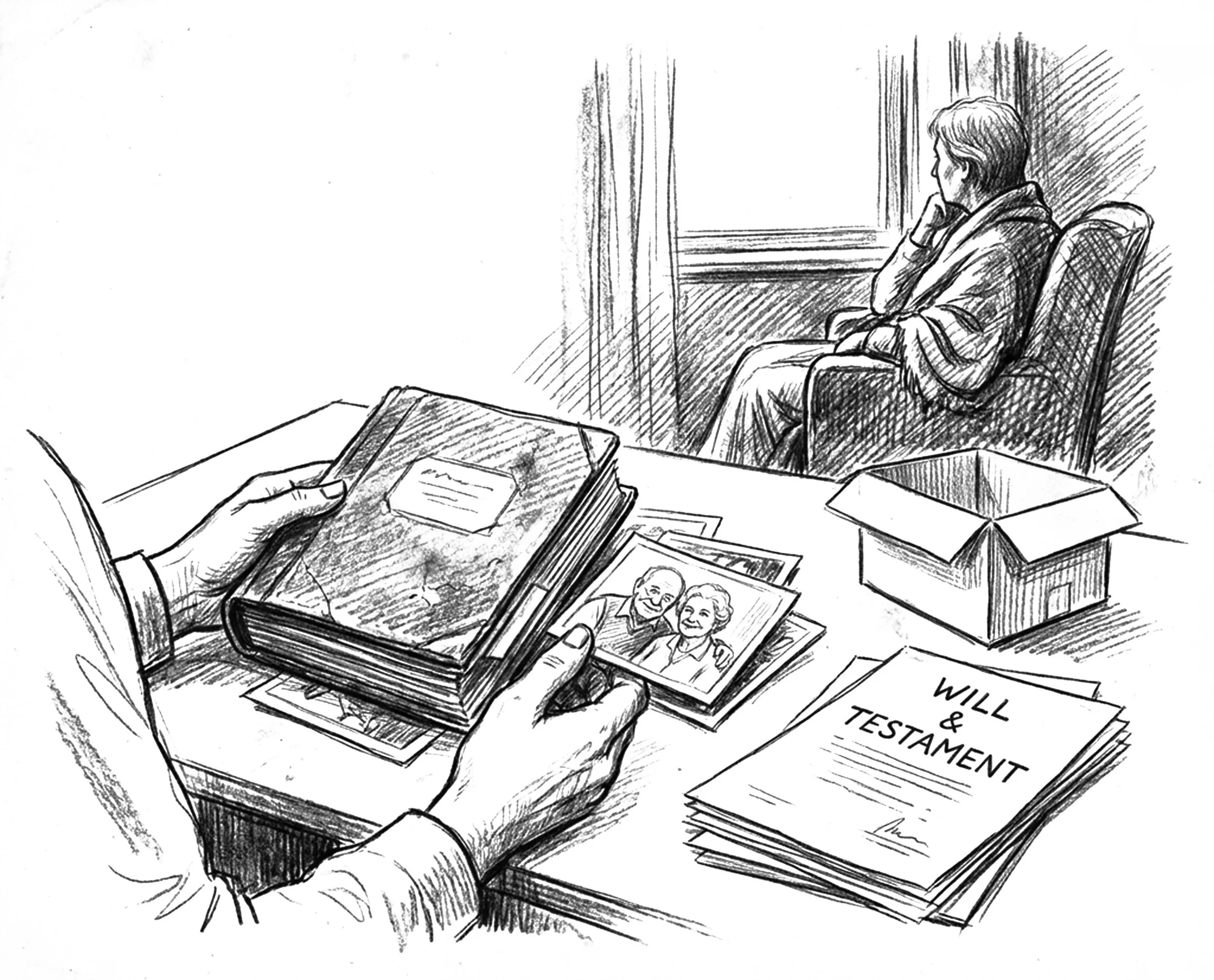
Emotional and Relational Preparation
-
Ask how they want to be remembered.
Ask what matters most to them now. Is it their comfort, dignity, legacy, faith, routine, etc.
Ask if there are unresolved relationships they want help mending.
Ask what brings them peace or anxiety about dying.
Discuss their fears openly. Are they worried about pain or being alone? Is there unfinished business they need help resolving?
Ask about spiritual or religious wishes (or absence of them).
Ask how they want their final days to feel (quiet, visitors, music, nature, etc.).
-
Give yourself permission to grieve before death. Anticipatory grief is real.
Identify your support people. Lean on friends, your therapist, clergy, and support groups.
Learn what to expect medically so fear doesn’t fill the gaps.
Decide what boundaries you may need, such as how many visitors are allowed, how you want to receive and give updates, and what your caregiving limits are.
Journal or record your thoughts — many people later treasure this.
Consider Grief Counseling or Therapy – Both for yourself and others involved.
Legal and Administrative Preparation
-
Verify where the originals are kept, make copies, and store them in a safe place.
Make sure they have a will or trust. This determines how assets will be distributed, based on your state’s laws.
Understand who will serve as Executor and Trustee and make sure you have their contact information.
Advance Healthcare Directive (Living Will) – Outlines medical treatment preferences.
Consider a Power of Attorney (POA) – Assigns someone to make medical and financial decisions if they become incapacitated.
Guardianship designations, if minors or dependents.
HIPAA authorization forms.
-
(See Family Sharing)
Full legal name
Date of Birth and Place of Birth
Drivers License
Social Security Card
Marriage/divorce records
Military service records
Passport
Immigration documents
Vehicle Titles
Property Deeds
-
(See Family Sharing)
List of accounts and passwords (or password manager access)
Phone and email access instructions
Trusted contact for banks and institutions
Safe combination or key location
Financial and Practical Affairs
-
(See Family Sharing)
Bank accounts (locations, account numbers)
Credit cards and outstanding balances
Loans and debts
Automatic payments and subscriptions
Investment accounts
Retirement accounts
Life insurance policies
Health insurance details
Long-term care insurance
Email accounts
Social media (and what to do with them)
Cloud storage (photos, documents)
Subscription services
Online businesses or blogs
-
(See Family Sharing)
Home ownership or lease details
Mortgage or rent information
Utilities and service providers
Vehicle titles and insurance
Storage units or secondary properties
Medical and Care Planning
-
Get a clear explanation of diagnosis, prognosis, and likely timeline.
Ask what changes to expect physically and mentally.
Ask what symptoms may arise and how they’ll be managed.
Clarify who to call after hours or in an emergency.
Ask what would and would not require hospitalization.
-
(See End-of-Life Wishes)
Hospice vs palliative care (and when to start — earlier is often better).
Pain management preferences.
Comfort measures vs life-prolonging treatments.
Do Not Resuscitate (DNR) or Do Not Intubate (DNI) orders and where they are stored.
Physician Orders for Life-Sustaining Treatment (POLST) or Medical Orders for Life-Sustaining Treatment (MOLST) forms (state-specific).
-
Create a medication list including name, dose, timing, purpose.
Set up pill organizers or reminders.
Identify who is responsible for:
Daily care
Medical decisions
Communication with doctors
Arrange medical equipment such as bed, oxygen, commode, and walker.
Learn basic caregiving tasks like lifting, bathing, and wound care.
Digital Life and Personal Data
-
(See Family Sharing)
Email accounts
Social media (and what to do with them)
Cloud storage (photos, documents)
Subscription services
Online businesses or blogs
-
Identify important photos or videos.
Back up irreplaceable digital items.
Label people, dates, and locations if possible.
Gather physical photos into one place.
Wishes For After Death (End-of-Life Wishes)
-
Pre-Plan Funeral Arrangements – Burial, cremation, green burial, or donation to science? Preferred funeral home? Where do they want their ashes scattered or would they prefer an urn?
Consider Pre-Paying for Funeral Expenses – Some families set up funds to cover costs.
Write an Obituary or Memorial Notes – If they wish, start drafting how they want to be remembered.
Create playlists together - Favorite songs or songs that evoke certain memories and moments from their lives.
Decide on a religious or secular service and which music, readings, or poems to include.
Who do they want notified?
Home Prep and Immediate Aftermath
-
Make a “first 48 hours” checklist.
Know who must be called immediately after death.
Locate insurance policies and death certificate request info.
Prepare pet care plans.
Arrange child or dependent care.
-
Gather keys and alarm codes, as necessary.
Declutter important papers.
Label keys and files.
Legacy, Memory, and Meaning
-
Letters to loved ones
Recorded messages or videos
Stories about their life
Family recipes
Values they want passed on
Apologies or forgiveness they want expressed
Blessings for children or grandchildren
-
Jewelry, heirlooms, sentimental items
Written notes explaining who should receive what
Memory boxes for children

✱ Communication Planning
Decide who will be the main communicator.
Draft a short update message for friends/family.
Identify people who should be informed immediately.
Decide what details will be shared publicly vs privately

✱ Finally, Spend Quality Time Together
Share memories and have meaningful conversations. Talk, laugh, and cherish time together.
Capture their stories and wisdom – Record videos, write letters, or collect their favorite quotes.
Celebrate their life while they're still here – Whether it's a simple dinner or a special trip, make the most of your time.